
Ammann Tiles
Initializing live version


Requires a Wolfram Notebook System
Interact on desktop, mobile and cloud with the free Wolfram Player or other Wolfram Language products.
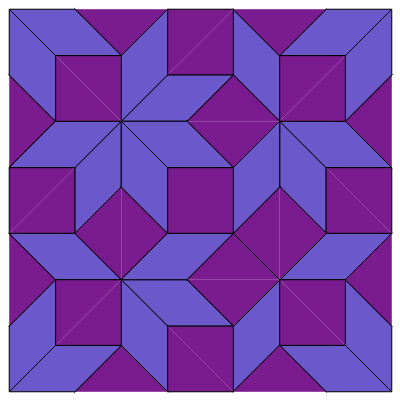
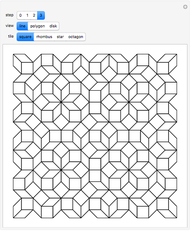
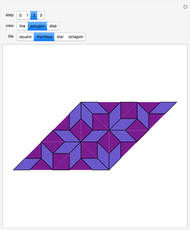
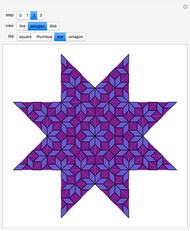
This shows the aperiodic tiling A5 discovered by R. Ammann in 1977.
Contributed by: Enrique Zeleny (March 2011)
Based on a program by: Sasho Kalajdzievski
Open content licensed under CC BY-NC-SA
Snapshots
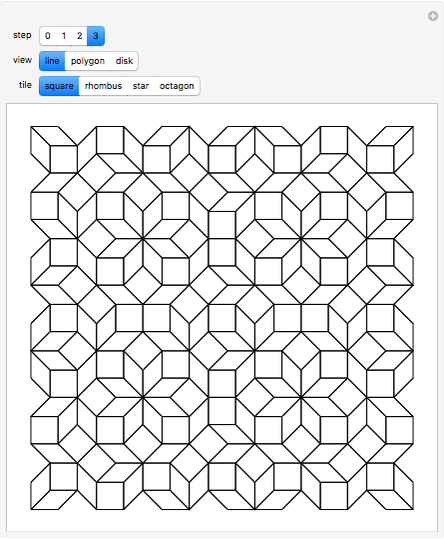

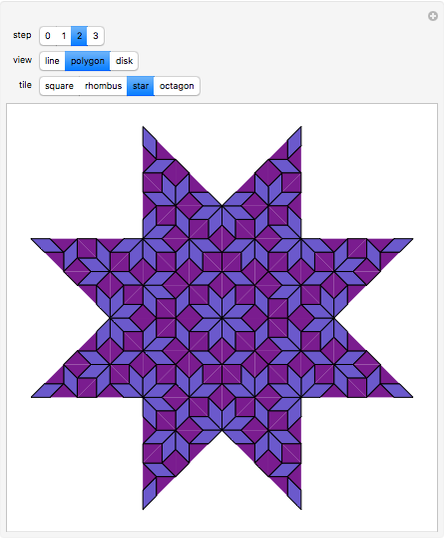
Details
detailSectionParagraphPermanent Citation
"Ammann Tiles"
http://demonstrations.wolfram.com/AmmannTiles/
Wolfram Demonstrations Project
Published: March 7 2011
Related Demonstrations
More by Author
 Recursively Defined Partial Tilings of the Plane
Enrique Zeleny Ammann Chair
Enrique Zeleny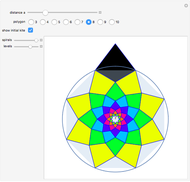 Deltoid Kite Tiling
Sándor Kabai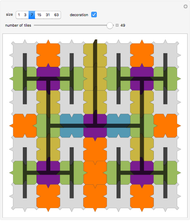 Ammann Tiling A1
Dieter Steemann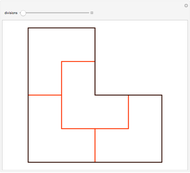 Rep-Tile
Eric W. Weisstein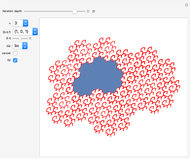 Kenyon Tiling Construction (Boundary)
Dieter Steemann Irregular Tilings
Karl Scherer Regular Tilings
Karl Scherer Tiling Constructor
Karl Scherer Perfect Tilings
Karl Scherer
-
 Sign of a Function
Enrique Zeleny -
 Length of the Perpendicular from a Point to a Straight Line
Enrique Zeleny -
 Van de Graaff Generator
Enrique Zeleny -
 Equilibrium of a Suspended Mobile
Enrique Zeleny -
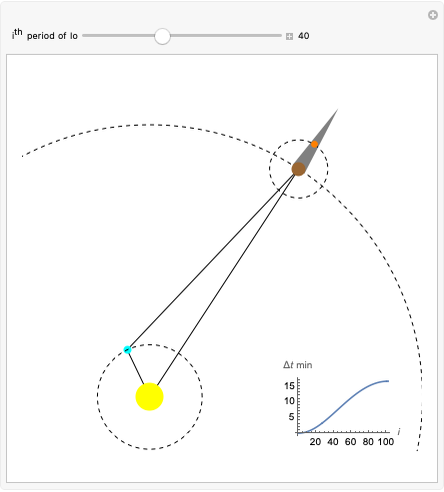 Rømer's Measurement of the Speed of Light
Enrique Zeleny -
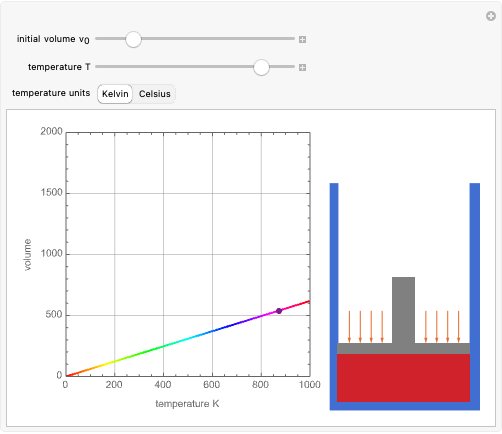 Charles's Law
Enrique Zeleny -
 Forces Acting on a Ladder
Enrique Zeleny -
 Density
Enrique Zeleny -
 Tumor Growth Model
Enrique Zeleny -
 Newton's Second Law
Enrique Zeleny -
 Weight of a Person Riding in an Elevator
Enrique Zeleny -
 Active Shock Absorbers
Enrique Zeleny -
 Bragg's Law
Enrique Zeleny -
 Projectile with Air Drag
Enrique Zeleny -
 Coulomb Wavefunctions
Enrique Zeleny -
 Jorge-Meeks K-Noids
Enrique Zeleny -
 Motion of a Parachuter
Enrique Zeleny -
 Asimov's Ladder of Physical Constants
Enrique Zeleny -
 Solutions of the Elliptic Membrane Problem
Enrique Zeleny -
 Lagrange Points
Enrique Zeleny